
International Desk
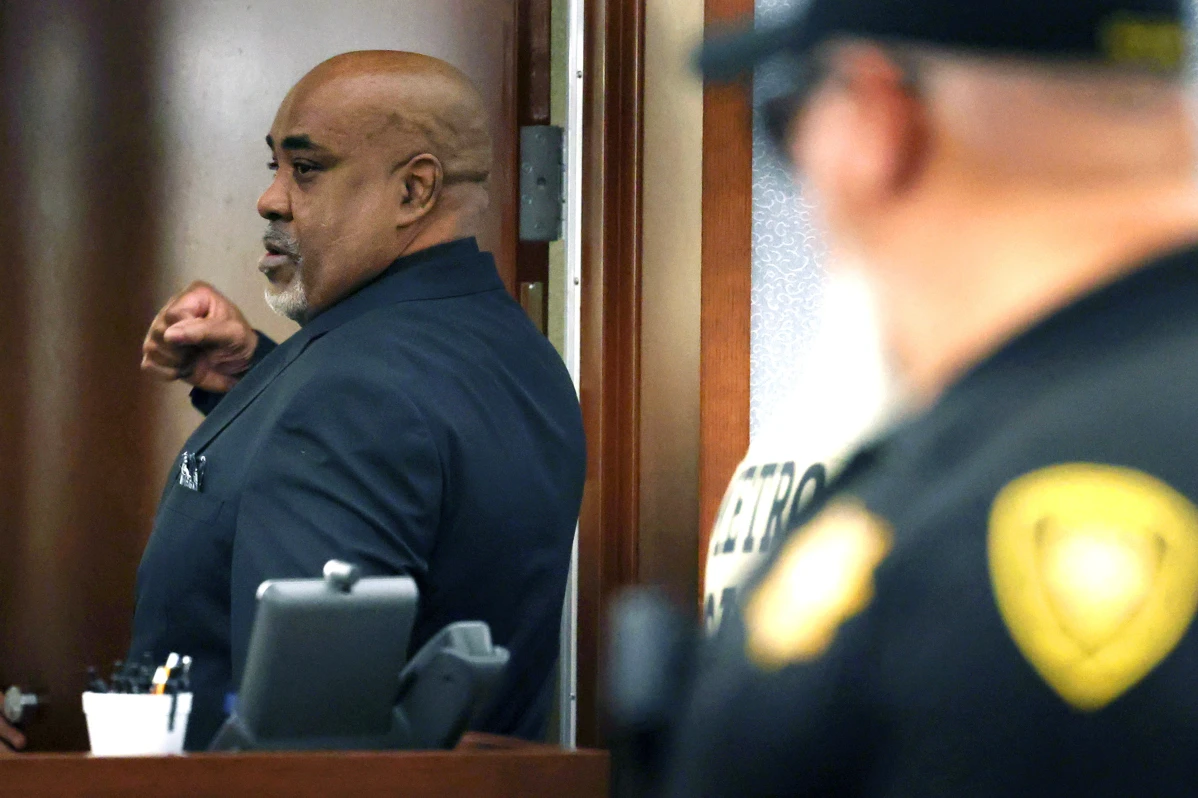
LAS VEGAS — A Nevada jury on Monday convicted Duane “Keffe D” Davis of first-degree murder for orchestrating the 1996 drive-by shooting of rap icon Tupac Shakur, delivering a long-awaited verdict in one of hip-hop’s most notorious cold cases.
The panel of 12 jurors deliberated for less than three hours following a nine-day trial in Las Vegas before finding the 63-year-old guilty of a single count of murder with a deadly weapon. Davis, the only living person among the four men prosecutors say were inside the vehicle used in the attack, faces a potential life sentence when he returns to court for sentencing in October.
State prosecutors argued that Davis, a former gang leader, acquired a firearm and targeted Shakur and Death Row Records co-founder Marion “Suge” Knight in retaliation for a fight involving Davis’ nephew earlier that evening. While prosecutors acknowledged Davis did not pull the trigger himself, they presented evidence showing he directed the lethal gunfire from a white Cadillac that pulled up beside Shakur’s vehicle at a red light on September 7, 1996. Shakur died six days later from his injuries, while Knight survived.
The prosecution’s case relied heavily on Davis’ own public statements, television interviews, and his 2019 memoir, Compton Street Legend, in which he repeatedly placed himself at the crime scene and detailed his role in distributing the weapon. Prosecutors pointed to a scrapbook Davis maintained about the murder as further proof of his involvement.
Defense attorney Michael Sanft argued for an acquittal, contending that the state failed to produce physical evidence—such as weapon testing, DNA, or phone records—placing Davis in Las Vegas on the night of the shooting. Sanft characterized his client’s prior admissions and published writings as exaggerated claims intended to profit off the famous unsolved killing rather than truthful accounts.
Following the reading of the verdict, members of Shakur’s family expressed emotion in the courtroom but deferred public statements until the October sentencing hearing. Prior to the verdict, prosecutors agreed to drop a gang enhancement charge due to witness logistics.
Source: New York Times