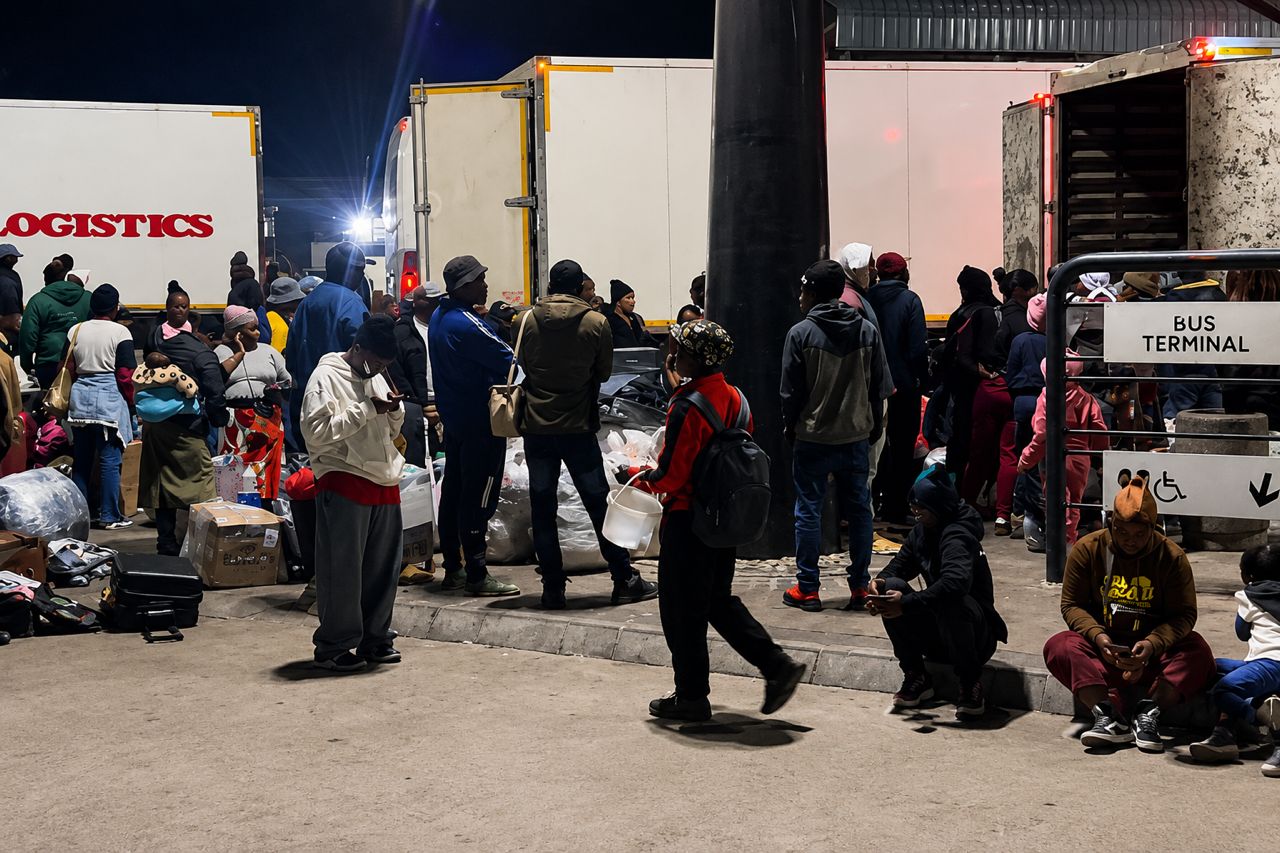
- Emotional returnees hail President Emmerson Mnangagwa, Government and compassionate Zimbabweans after a coordinated repatriation exercise rescues hundreds stranded in South Africa following the June 30 deadline.
By Abel Karowangoro and Kelvin Matore recently in Beitbridge
A wave of relief, gratitude and renewed hope swept through Beitbridge Border Post this week as hundreds of Zimbabweans returned home under a Government-led repatriation programme following the June 30 deadline in South Africa that left many undocumented migrants fearing for their safety.
For many of the returnees, the journey home marked the end of weeks of uncertainty, fear and hardship after intensified operations against undocumented foreign nationals disrupted their lives, forcing them to abandon jobs, businesses and personal belongings.
Responding swiftly to the plight of its citizens, the Government of Zimbabwe, under the leadership of President Emmerson Mnangagwa, coordinated a nationwide repatriation exercise through the Embassy of Zimbabwe in Pretoria and other Government departments. The programme was strengthened by the support of businesses, philanthropists, transport operators and development partners who mobilised food, transport and humanitarian assistance for stranded Zimbabweans.
The intervention ensured that vulnerable families, women, children and the elderly who could not afford transport back home were assisted to return safely and with dignity.
Authorities said the repatriation programme reflects Government’s commitment to protecting Zimbabwean citizens wherever they may be while ensuring that those returning home receive the support needed to rebuild their lives.
Among those who arrived at Beitbridge was Kumburai Chatima, who travelled from the Eastern Cape with her children after losing everything during the recent operations targeting undocumented foreign nationals.
Fighting back tears, Chatima described the assistance she received from the Zimbabwean Government and its partners as a lifesaving intervention.
“It was not easy for us to come back to Zimbabwe because we did not have money. We never expected that we would be forced to leave South Africa. I want to thank the Government, donors and everyone who helped us, even those whose names we do not know. May God bless them. At the Zimbabwe Embassy we were given food and our children never went hungry. We are happy to be back home safely and we have now put those painful experiences behind us.”
Chatima said she lost all her possessions and source of livelihood during the operation, leaving her family with no option but to seek assistance to return home.
Another returnee, Nyarai Murungweni, said the deteriorating situation made it impossible for many Zimbabweans to remain in South Africa.
“We did not have money to come back. The situation became very difficult following the June 30 developments and fear caused by xenophobic attacks. I want to sincerely thank President Emmerson Mnangagwa and everyone who helped us. We came back with nothing after losing our property. Our hope is that Government will empower us so that we can rebuild our lives here and never be forced to leave Zimbabwe again. I am grateful that we travelled safely and are now home.”
For Lavender Nare from Gokwe, who had been living in Cape Town, returning home was both an emotional and uncertain experience.
“Government assisted us to come back because of the situation in South Africa. I returned with nothing and I do not know how I will provide for my family. My prayer is that I can find work and start my life again.”
Speaking to Hurumende News Hub at Beitbridge Border Post, Brendon Zenge said he was relieved to have reached Zimbabwe safely after enduring weeks of anxiety.
“I am happy that we are now safe at home. The situation there was not good. We thank the Government for helping to bring us home. I am a builder and I am ready to use my skills to help build our country. What I need now is an opportunity to work and support my family.”
Another returnee, Munyaradzi Makanihwa, who had been living in the Western Cape, said he immediately sought assistance from the Zimbabwe Embassy after learning of the June 30 deadline.
“The moment I heard about the deadline, I surrendered myself at the Zimbabwe Embassy where we received food, accommodation and assistance with transport back home. It was not an easy experience, but today we are safely back in Zimbabwe. We thank President Mnangagwa, Government officials and everyone who contributed towards bringing us home.”
The repatriation programme has been widely welcomed by returnees, many of whom said they would have remained stranded in South Africa had it not been for the intervention by Government and its partners.
Several of the returnees appealed for continued support through employment opportunities, skills development and empowerment programmes to enable them to rebuild their livelihoods and contribute to Zimbabwe’s economic development.
Government officials said the repatriation exercise remains ongoing, with authorities continuing to work closely with the Embassy of Zimbabwe in Pretoria and other stakeholders to facilitate the safe return of Zimbabweans still wishing to come home.
As buses carrying returnees rolled through Beitbridge, the mood was one of gratitude and renewed optimism. Despite arriving with little more than the clothes they wore, many said they were thankful to be back on home soil, where they now look forward to rebuilding their lives in safety and dignity with the support of Government and fellow Zimbabweans.